I’m all for a tidy seam and a faster finish, but what is an overlocker anyway? And do you actually need one, or is it just a fancy gadget for serious sewists? Spoiler: you can survive without it, but your life (and your edges) might thank you if you upgrade your wrangling game. Let’s dive in and keep it simple.
What exactly is an overlocker?
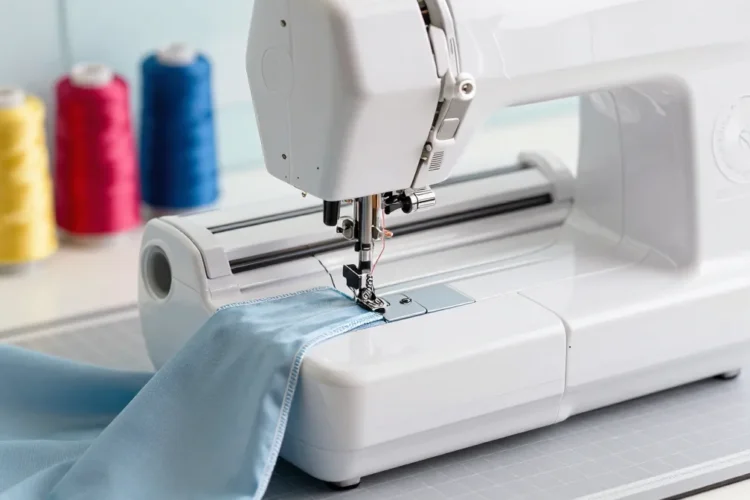
An overlocker is the gadget that trims, stitches, and Serges the edges of fabric in one go. It uses multiple threads to create a neat, stretchy edge that won’t fray. Think of it as the anti-fray ninja, handling hems, seams, and tricky knits with impressively clean finishes.
– It’s not a traditional sewing machine. It’s a specialized beast designed for edge finishing.
– Most models trim the fabric as they stitch, so you get a professional edge without extra steps.
– It handles knit fabrics like a champ, but it can be used on woven fabrics too—just with the right settings.
If you’ve ever stared at a rolled hem on a tee or a perfectly finished seam on a hoodie, you’ve seen an overlocker in action.
Do you need one, or can you live with a regular sewing machine?
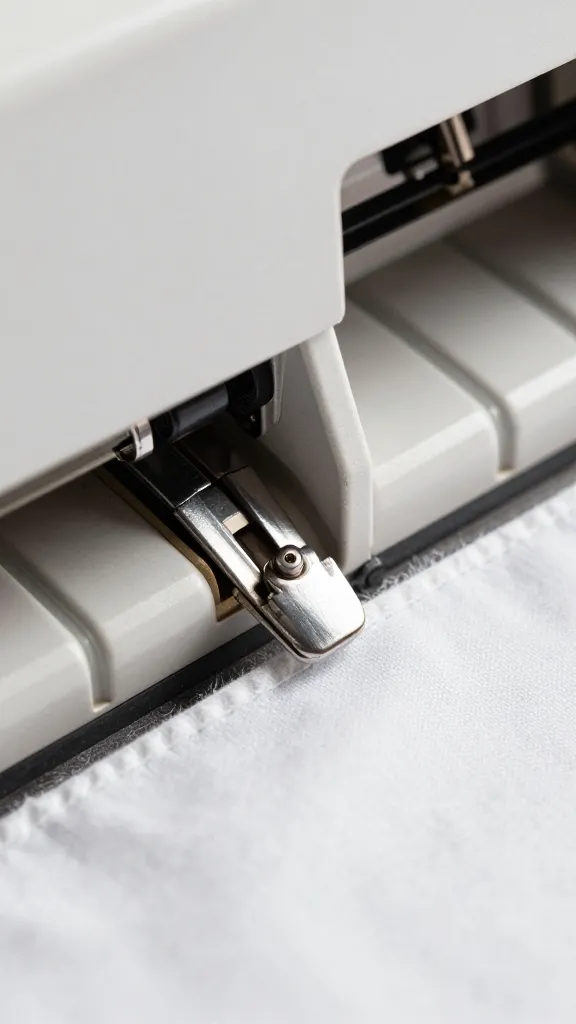
Short answer: you can live without one, but an overlocker can save you time and frustration. If you sew regularly, especially with knits or lots of garments, it becomes a passport to cleaner finishes.
– Knits want to stretch. Regular zigzag seams can be fine, but an overlocker gives you a durable, stretchy edge.
– Wovens still benefit. You’ll get a cleaner seam finish and less bulk on hems.
– It speeds up your workflow. No more separate trimming, turning, and finishing by hand—it’s all in one go.
But don’t rush to buy the first overlocker you see. If you only sew a couple of hems a year, you might be better off with a Serger-less approach or borrowing time on a friend’s machine.
What should you look for when buying one?
Choosing an overlocker is a bit like dating: there are many personalities, and you want one that matches your vibe and projects. Here are the essentials to check.
– Number of threads: 3, 4, or 5. A 4-thread overlocker is the classic workhorse for most home sewists.
– Differential feed: magic for eliminating waves and controlling stretch. Helpful for knits and slippery fabrics.
– Stitch options: look for 2, 3, or 4-thread options plus rolled hem. versatility wins.
– Easy threading: some models pretend to be friendly, others are cooperative souls. Look for diagrams, color-coded paths, and a top or front-loading lower looper if you hate tangles.
– Adjustment knobs: tension dials matter. You’ll tweak for fabric type, so something clear and accessible is ideal.
– Noise and footprint: some are loud enough to disrupt your coffee ritual, others whisper. Also check size if you have a tight craft space.
– Price vs features: you don’t need the moon. Start with a solid entry-level model if you’re just testing the waters.
If you want a quick pro move: pick a model with color-coded threading paths, adjustable differential feed, and easy access to the looper for quick troubleshooting.
How to set it up and thread it without losing your mind
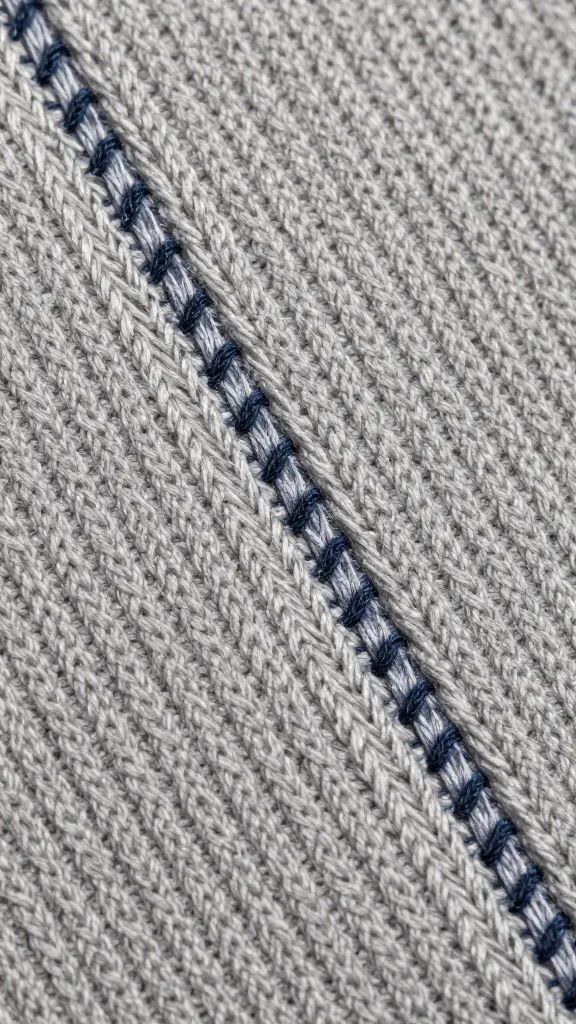
Threading an overlocker can feel like solving a small puzzle. Here’s a sane approach to keep it painless.
– Read the manual, then watch a quick tutorial. Yes, I know, boring, but it saves real hours.
– Start with a scrap fabric. You’ll thank me when you don’t ruin your good project.
– Thread in stages. Don’t rush the order; follow the color-coded guides. If you get stuck, back up a step and retry.
– Test on scraps. Adjust tension gradually. Don’t twist the fabric trying to force a stitch.
– Check the stitch on a straight seam, then a curved seam, then a rolled hem if you have that option.
– Save your settings. Most machines remember a couple of setups. If you switch fabrics, tweak, and then reset.
FYI: a lot of “overlocking drama” stems from tension issues. If the edge looks frayed or the seam puckers, it’s usually tension, not magic fairy dust.
Practical projects that beg for an overlocker
If you’re wondering where the needle meets the fabric, here are some real-life tasks where an overlocker shines.
– Knit tees and maxi dresses. The stretch of knits loves the built-in give of an overlock stitch.
– Leggings and activewear. The seam integrity and neat finish survive repeated washing.
– Swimsuits and lingerie. Rolled hems and clean finishing look luxe, especially on delicate fabrics.
– Baby clothes. Soft edges and durable seams survive countless wash cycles.
– Garments with sheer or delicate fabrics. A narrow rolled hem can be a dream on tulle or chiffon.
Thinking of curtains or home decor? An overlocker can help finish edges, but you’ll often still want a regular sewing machine for topstitching and precise hems.
Common myths about overlockers (and the truth behind them)
Let’s debunk a few things you’ve probably heard around the quilting bee.
– Myth: Overlockers are only for pros. Truth: Entry-level models exist, and they’re friendly to beginners who want faster finishes.
– Myth: You’ll outgrow it quickly. Truth: If you sew a lot, you’ll keep finding uses for it. It’s not a one-trick pony.
– Myth: It replaces a regular sewing machine. Truth: It complements it. You’ll still need a standard machine for topstitching, buttons, and zippers.
Subtle costs and maintenance tips you should know
Yes, there are ongoing costs and care steps. Here’s the no-nonsense lowdown.
– Bobbins and needles: keep a spare set in your project bag. Different fabrics, different needles.
– Cleaning: clean lint regularly. A clogged looper path will ruin stitches fast.
– Oiling: some models require a drop here and there. Don’t skip it—just don’t drown it.
– Servicing: plan for an annual service if you sew a lot. It keeps tension and timing in check.
– Thread choice matters: cheap threads can shed lint and cause tension headaches. Use quality Serger thread or compatible options.
Common Questions
Do I need a separate cover stitch machine if I own an overlocker?
If you’re aiming for professional hems with a decorative topstitch, a cover stitch machine helps. It’s not mandatory, but it expands your finishing options, especially for knit hems and decorative details.
Can I use an overlocker on woven fabrics?
Absolutely. It trims and finishes edges neatly, reducing fraying. For pure topstitching or sharp hems, you’ll still want a regular sewing machine, but the overlocker handles the edge like a champ.
What fabrics are easiest to start with?
Cotton knits and lightweight jerseys are forgiving and friendly. Start there, then move to cotton blends, then light-worsted wovens. Avoid heavy denim and very stiff fabrics until you’re comfortable with tension and feed dogs.
Is it worth renting or borrowing a machine first?
Totally. If you’re on the fence and only sew occasionally, borrowing can be a smart move. If you’re hooked after a trial, buy with confidence—there are good entry models that won’t break the bank.
How long does threading typically take for a beginner?
With patience, a fresh setup on a calm fabric, and following the manual, you’ll be threading in under 15 minutes by the second setup. Expect 20–30 minutes for the first go. The payoff? Edges that look professionally finished without manual trimming.
Conclusion
So, what’s the verdict on overlockers? They’re not mythical sewing unicorns, but they’re incredibly handy when you’re finishing edges, especially on knits. You don’t need one to start sewing, but if you find yourself finishing more garments than you planned, an overlocker becomes your best friend—cutting, stitching, and trimming in one smooth swoop.
If you’re curious but cautious, consider a budget-friendly model to test the waters. IMO, you’ll either fall in love or at least walk away with much cleaner seams and a calmer sewing zen. FYI, once you’ve got the hang of it, you’ll wonder how you ever lived without that edge-finishing magic.
0 Comments