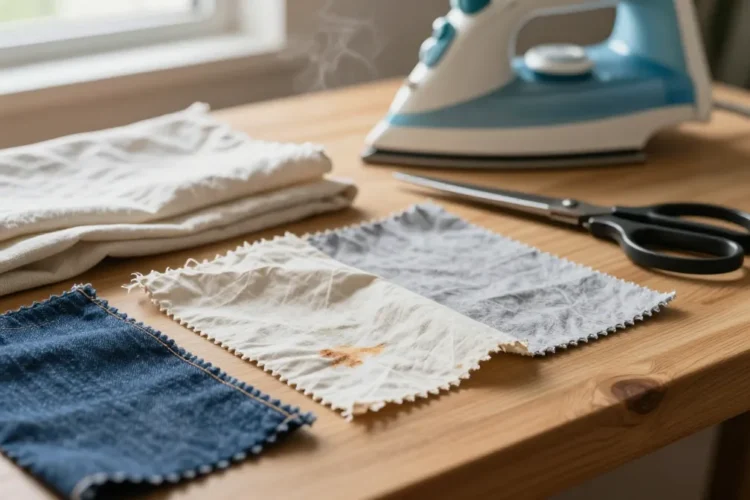
Do I need to pre-wash fabrics before sewing? Short answer: it depends. But yes, you’ll get cleaner seams, fewer surprises, and a happier project if you at least understand why people pre-wash in the first place. Let’s break it down so you can decide what makes sense for your next sew‑along.
Why bother pre-washing fabric at all?
Pre-washing is basically fabric skincare. Most textiles aren’t pre-shrunk or colorfast, and they can act like teenagers after a wash: unpredictable, a little dramatic, and prone to stretching in odd directions. Pre-washing helps you avoid shrunken hems, puckers, or color bleeding onto your finished garment.
– It loosens up the fabric’s weave and stabilizes its behavior.
– It reveals potential color bleed or texture issues before you commit to a full project.
– It helps you plan for shrinkage in case you’re working with woven fabrics that love to shrink.
If you’re making a quick tote bag or a project with no fit involved, you might skip it. But if you’re sewing a garment, a quilt, or anything that requires precise sizing, pre-wash is your friend, the decision isn’t black and white—there are sensible middle grounds.
How to decide: fabric type and project goals
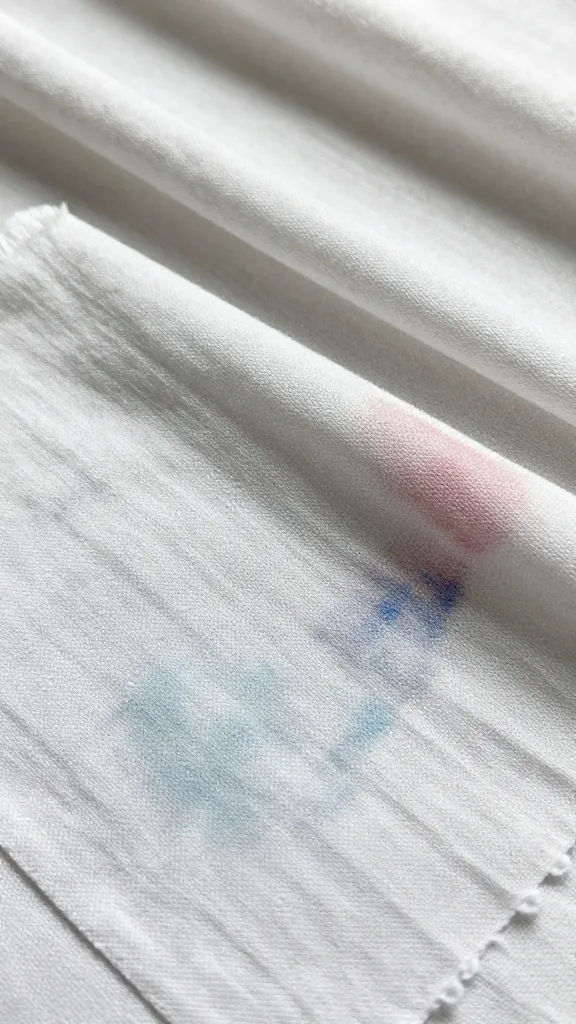
Different fabrics behave very differently, so your approach should reflect that. Here’s a quick cheat sheet.
– Cotton and linen: Pre-wash to minimize shrinkage and color bleed. These can relax and shrink a bit after the first wash.
– Denim and heavy twills: Pre-wash if you care about fit and color. Expect fraying and color transfer otherwise.
– Silk and rayon: Pre-wash with caution. Some silks colorfast well; others bleed. Rayon can shrink a surprising amount and wrinkle like crazy.
– Polyester and blends: Often unneeded, but if the fabric is prone to shrinking, pre-wash or test a swatch.
– Quilting cottons: Usually pre-wash to prevent later size differences across blocks.
Project goals also matter. A fitted dress benefits from pre-washed fabric; a tote bag or unlined project might not. Ask yourself: will fabric shrink noticeably after I finish? Will color transfer ruin the aesthetic? If the answer is yes, pre-wash or at least test a swatch.
What you actually do when you pre-wash
If you decide to pre-wash, here’s the simple, no-nonsense method you can copy without drama.
- Wash the fabric as you plan to wash the finished project. If you’ll tumble dry, use a similar cycle. If you’ll line-dry, don’t skip that step in prep.
- Use a gentle detergent. No heavy scents or fabric softeners—they can affect fibers and interfere with seams later.
- Dry completely. Don’t leave damp fabric lying around; it can develop mildew or odor. Dry on a line or in a dryer according to the fabric’s needs.
- Iron or press once dry. If you plan to shrink to a specific measurement, press with a steam iron to set the new sizing.
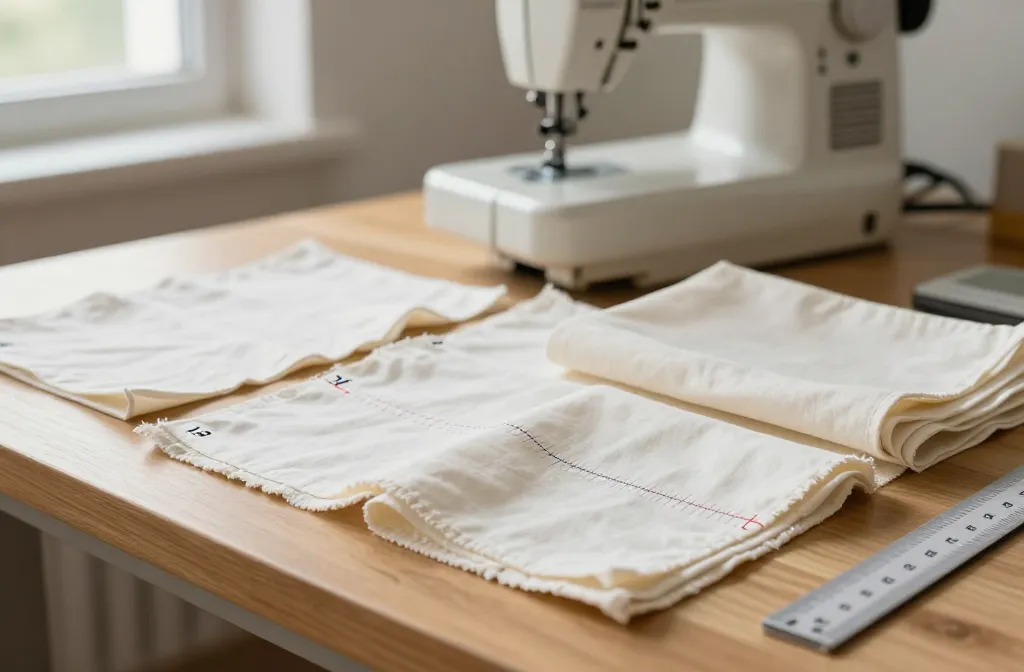
- Cut a swatch. If possible, test how the fabric behaves after a wash and dry. This gives you a data point for seam allowances and fit.
– Pro tip: label your fabric or save the swatch with notes so you don’t forget what happened last time. You’ll thank yourself later when you’re inspecting your pattern pieces.
What if I don’t pre-wash? Risks and realities
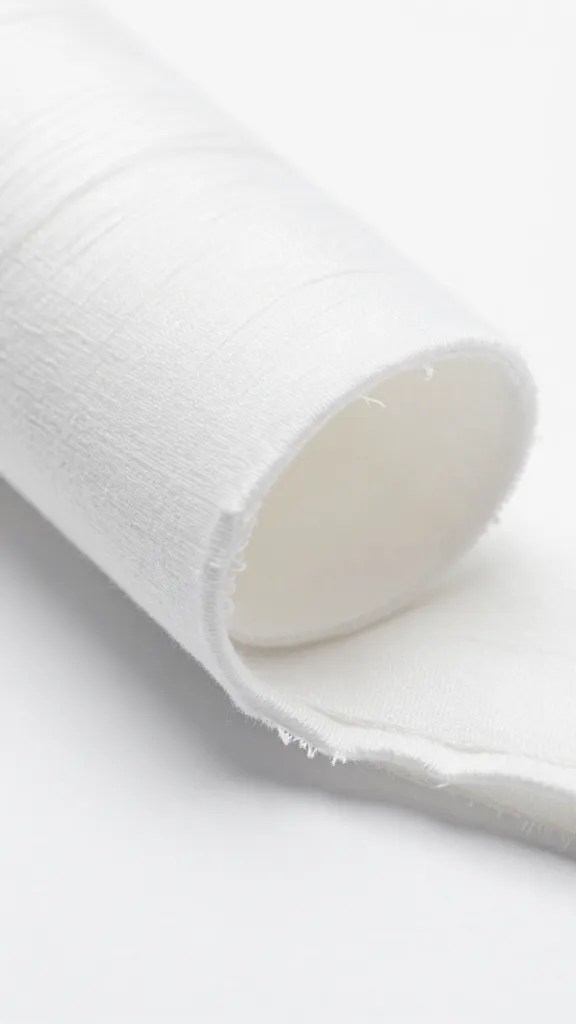
Skipping pre-wash doesn’t doom your project, but it increases the likelihood of some annoyances.
– Shrinkage shock: Your garment might fit in the store, but after washing, it could pull and pull in weird places.
– Color bleeding: If you rub a damp seam, you might transfer dye onto your thread or adjacent fabric.
– Uneven textures: Some fabrics bloom/relax after washing, throwing your carefully cut pieces off-grain.
– Quilts: If you’re piecing a quilt, size differences across blocks can become a big headache later.
If you’re choosing not to pre-wash, you can still manage risk by testing a swatch and choosing fabrics known for colorfastness and minimal shrinkage. Also, consider using pre-washed fabrics from the start for critical projects like garments. IMO, the peace of mind is worth the extra step.
Subtle shades: color and texture considerations
Color fastness is a real romance killer if you ignore it. Here are some practical tips.
Test for color bleed
– Cut a small swatch and wash it the way you plan to treat the rest of the fabric.
– Look for color on the swatch and dye transfer to other fabrics, water, or your hands.
– If you see color bleed, consider washing with a color-setter product or using a barrier like a washbag with similar colors to reduce dye transfer.
Texture and pile considerations
– Velvets, corduroys, and boucle’s can shed. Pre-washing reduces surface fuzz and pilling later on.
– Knits may curl or stretch differently after washing. If you’re sewing a fitted knit garment, pre-wash helps you predict shrinkage and recovery.
Delicate Fibers and DIY fabrics
Some fabrics deserve extra care or a different plan.
– Raw silk and delicate silks: Check the manufacturer’s guidance. Some silks tolerate a gentle wash; others prefer dry-clean only.
– Linen blends: Expect shadow shrinkage from linen. Pre-washing helps you plan the final dimension more accurately.
– Denim with elastane: The stretch content can complicate post-wash shrinkage. Test swatches with elastane included.
– Home dec fabrics: If you’re making curtains or upholstery, pre-washing can prevent later changes in drape and size. But respect the fabric’s colorfastness and the filtering of dyes.
When to skip pre-washing entirely
There are legit reasons to skip it.
– You’re making something that doesn’t need precise sizing (jewelry roll, pillow, simple tote).
– You’re using fabrics that are known to be colorfast and shrink minimally.
– You’re sewing with a fabric that has been pre-shrunk by the manufacturer or washed at the factory with a colorfast finish.
– You’re in a rush or feeling rebellious and your project turns out fine anyway. Sometimes chaos makes for happy accidents.
If you skip pre-washing, you’ll want to pay extra attention to test seams, use stay-stitching to reduce distortion, and plan for possible post-wash adjustments.
Common Question
Is pre-washing always necessary for garments?
For fitted garments, yes, generally. It minimizes shrinkage surprises and helps you dial in fit. If you’re sure the fabric won’t shrink and you’re short on time, you could skip, but be aware of potential fit changes after the first wash.
How do I know if a fabric is colorfast?
Test a swatch: wash and dry it the same way you plan for your project, then compare with the original color. If there’s any bleeding or color transfer, treat it as colorfastness is not guaranteed.
What about pattern pieces that are cut on grain?
Pre-wash can change the fabric’s width and grain alignment. If you’ve already cut pieces, you might end up with misalignment after washing. If possible, pre-wash before cutting or account for potential shrinkage when choosing seam allowances.
Can I pre-wash with fabric softener or detergent?
Avoid fabric softeners; they can affect fiber behavior and seam performance. Use mild detergent and skip scents if you’re concerned about residue on the fabric or thread.
How long does pre-washing take?
If you’re using a simple home setup, it’s a couple of hours including drying time. If you batch several fabrics, you can save time by washing together and letting dry on a rack.
Conclusion
Pre-washing is not a one-size-fits-all ritual. It’s a practical step that can save you headaches, time, and heartbreak later. Do you need it for every project? Not always. Is it worth considering for most garments and quilts? Absolutely, especially if you care about fit, color, and texture.
If you’re new to sewing or unsure how a fabric behaves, start with a small swatch test and a basic pre-wash routine. You’ll build intuition quickly and avoid those “I measured twice, washed once, oops” moments. IMO, a little prep goes a long way toward confident sewing and better results. Happy sewing, and may your seams stay true and your prints stay bright.
0 Comments