I get it. You want a sewing machine that doesn’t fight you at every thread turn. You want something that just works, plus a little wow factor for your projects. Let’s cut the fluff and get you to a machine that fits your vibe—and your budget.
What are you actually buying a sewing machine for?
We all have a vibe when we sew. Are you zip-creating fast fashion fixes, quilting cozy layers, or crafting cute home decor? Knowing the what makes shopping ten times easier. If you’re still unsure, ask yourself:
– Do I need embroidery or just straight stitch power?
– Will I be doing heavy denim or thin jersey?
– Do I want computerized conveniences or old-school reliability?
Answering these helps you dodge the “meh, I bought it and never used half the features” trap. FYI, most people can start with a solid mechanical machine and upgrade later if the sewing bug really hits.
The big decision: mechanical vs. computerized
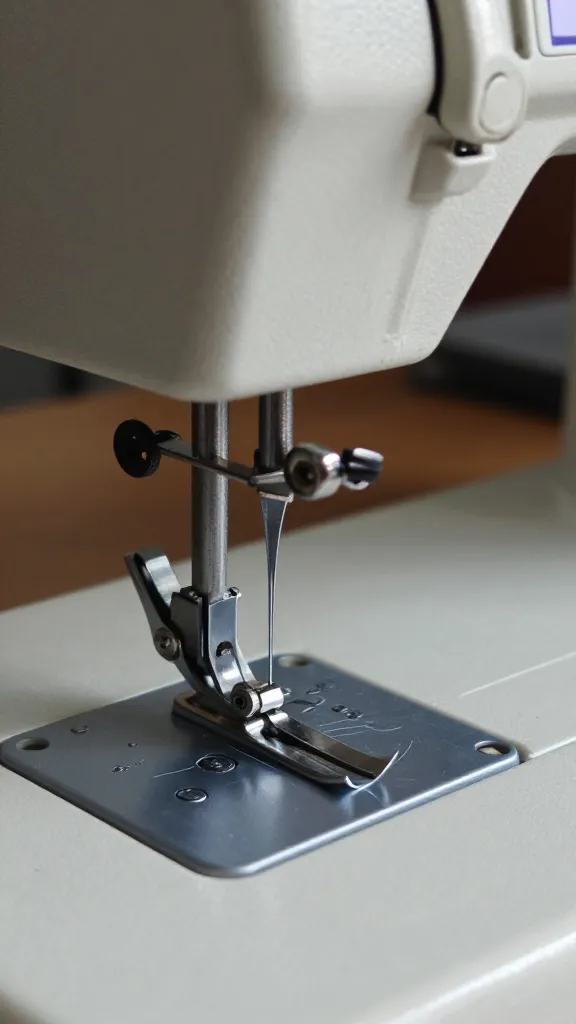
- Mechanical machines are sturdy, simple, and often cheaper. You’ll love the straightforward tension dials, metal frame, and fewer electronic hiccups. They’re great for beginners who want to learn the basics without getting overwhelmed.
- Computerized machines bring a party to your sewing room. Automatic needle threaders, built-in stitches, memory, and the ability to sew curves and corners with precision. They’re fantastic for beginners who want quick results and for setups with lots of diverse projects.
How to decide in 60 seconds
– If you crave simplicity and a long-lasting frame: mechanical wins.
– If you love presets, a little tech magic, and sewing lots of varied projects: computerized wins.
– Budget tip: start with a reliable mechanical and upgrade later if you’re hitting the ceiling with features.
Stitches, stitches, and more stitches—how many do you actually need?
You don’t necessarily need a rocket-load of stitches to be happy. Start with the basics and add on as you go.
- Straight stitch
- Zigzag stitch (for finishes and applique)
- Backstitch or reinforcing stitch
- 1-2 stretch stitches for knit fabrics
- Overcasting stitch or overlock option (or you can serge later)
If you’re into quilting, you’ll care about a few more features:
– Longer throat space helps with big quilts
– A good walking foot compatibility for even feeding
– Free-motion quilting capabilities if you’re feeling fancy
Needle options matter
A machine that handles various needle types and sizes makes life easier. A quick-start checklist:
– Drop-in bobbin with clear loading
– Quick thread cutter or easy access to thread paths
– Presser foot pressure control to adapt to fabric thickness
– Drop feed for free-motion sewing if that’s your thing
How much should you spend—and what do you actually get for that?
Money talks, but it’s not a con artist. Here’s a quick map:
- $150–$300: Entry-level mechanicals. Good for learning basics, mending, and simple projects.
- $300–$700: Mid-range mechanical or basic computerized. More stitches, better reliability, and more accessory options.
- $700–$1500: Higher-end computerized, better build quality, more features like memory, auto tension, and lighting upgrades.
- Above $1500: Pro-level beasts for serious quilters or small studios. Hefty features, speed control, robust frames, and lots of accessories.
Tip: consider what you’d actually use. If you’ll only stitch a few hems and pillows, you don’t need the moon. If you dream of victory quilting nights, invest in features that materially speed up your workflow.
Where the machine sits in your life: space, noise, and maintenance
Your sewing machine should feel like a helpful neighbor, not a loud, moody roommate.
– Space: measure your table depth and clearance for a wide, open space. A good machine should fit with a comfortable workspace.
– Noise: some machines purr; others howl. If you have a shared room, look for quieter models or consider sound-dampening measures.
– Maintenance: regular oiling (for mechanicals) and dusting won’t ruin your vibe. Some machines are low-maintenance, others demand more TLC.
Foot pedal or knee lifter—what do you actually want?
– Foot pedal gives you classic control.
– Knee lifter helps you lift the presser foot with your knee, handy for big projects or when you’re juggling fabric. Neither is a bad choice; pick what feels natural.
Lifestyle features that actually matter
Some features sound fancy but are genuinely handy.
- Automatic needle threader—saving time and reducing frustration.
- LED lighting—illuminates your workspace so you don’t sew in the dark like a pirate.
- Speed control—helps when you’re learning or handling delicate fabrics.
- Stitch selector with memory—no hunting for stitches mid-project.
- Drop-in bobbin—easy to wind and see when you’re running low.
FYI, the “automatic needle threader” is amazing until it isn’t. If it jams, you’ll wish you could rewind time. So pick a model with a reliable system and not just a flashy name.
Branding, warranties, and where to buy without regretting it
Brand loyalty is cute, but functionality matters more. Look for:
– A 1–3 year warranty on parts and labor for beginners. Longer warranties are a sign of confidence in build quality.
– Availability of spares and accessories (bobbin cases, feet, needles) in your region.
– Local repair support or service centers. You don’t want to be stranded when a part wears out.
Answering “where should I buy?” is simple: from reputable retailers or directly from the brand’s store. Read reviews, but fixate on those that reflect real-world use—fabric types, thread brands, and project variety.
Test drive like a pro: how to evaluate in the store
Walk into a store with a plan. Don’t be swayed by the pretty cases or the shiny features that won’t matter to your sewing life.
– Try a few fabrics: cotton, knit, and a light denim if you can. See how the machine handles speed, feeding, and stitch consistency.
– Check threading path. Can you thread quickly without getting tangled in a loop of dread?
– Ask to test different presser feet: non-stick, walking foot, zipper foot. The more feet you’ve tried, the more ready you are.
– Listen for noise and vibe. If it sounds like a printer on steroids, you’ll learn to tune it out, or you’ll hate it.
Common Questions
Do I really need a sewing machine with hundreds of stitches?
Nope. Most beginners use 5–15 stitches at most. A solid 8–20 stitch option is plenty for most home projects. Save the extra features for when you’ve leveled up your skills.
Is it better to buy a used machine or brand-new?
Used machines can be great deals, but you’re gambling on wear and missing out on warranty. If you go used, get it checked by a knowledgeable friend or a repair shop. If you want peace of mind, new is safer.
What about embroidery machines? Do I need one?
Embroidery machines are fantastic if you love monograms and decorative stitches. They’re not essential for most beginners. Start with a reliable mechanical or basic computerized machine, then move into embroidery later if the design itch is real.
How often should I service my machine?
Every 6–12 months, depending on usage. If you sew weekly, aim for twice-yearly servicing. It keeps tension stable, extends life, and prevents drama in your projects.
Can I use any thread and needle combo?
Mostly yes, but match thread weight to fabric and use the appropriate needle. Widespread issues come from mismatched needle size or cheap threads that snag and break. FYI, quality matters more than fancy finishes here.
Getting practical: a quick starter kit suggestion
If you’re just starting out, consider a starter package that includes:
– A reliable mechanical or entry-level computerized machine
– A zigzag foot, zipper foot, walking foot
– Assorted needles (universal, ballpoint for knit, and sharp for woven)
– A mid-range bobbin case and extra bobbins
– A small fabric scissor, seam ripper, and a measuring tape
– A light-weight, portable carrying case or bag
This setup is enough to fly through hems, seams, and the occasional quilting pass without feeling overwhelmed.
Conclusion
Choosing the right sewing machine is less about chasing the newest gadget and more about aligning features with your real sewing life. Start with where you want to go—mending, fashion, quilting, or crafts—and pick a machine that feels like a collaborator, not a chore. Do your homework, test-drive with purpose, and remember: you’ll figure out the rest as you sew more. If you’re overwhelmed, go mechanical first and upgrade when the itch becomes a rhythm you can’t ignore. Happy stitching, friend. Your future projects are waiting.
0 Comments