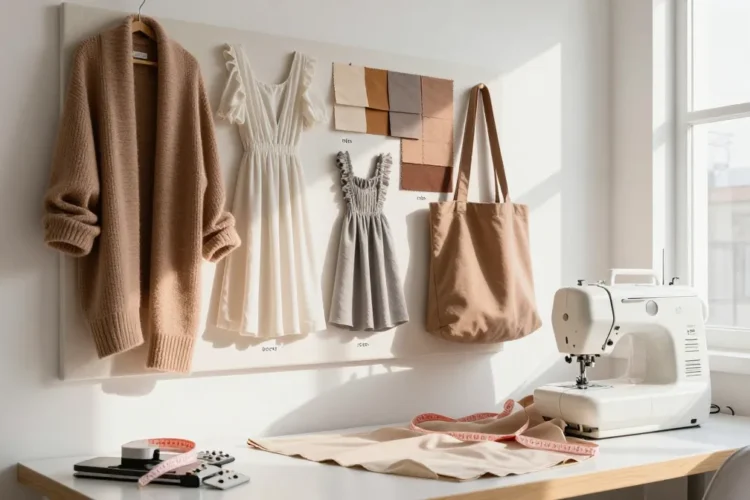
The quest for the perfect fabric starts with a single honest question: what do you actually want to make? If you’re staring at a pile of swatches and feeling overwhelmed, you’re not alone. Let’s cut through the chaos, pick a vibe, and land on a fabric that won’t fight you every step of the way.
Know your project vibe: yarn, weight, and finish matter
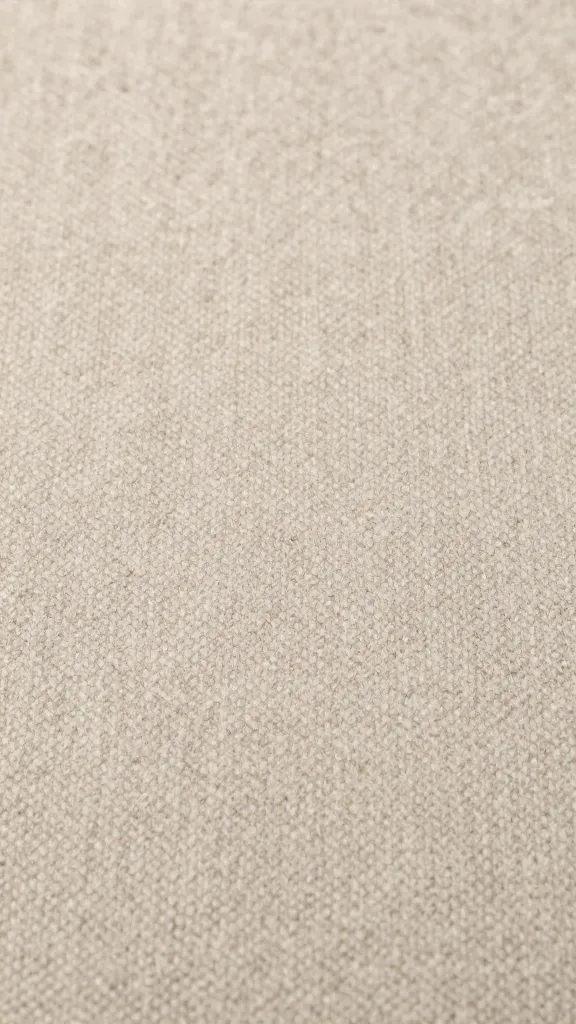
First, picture the finished piece. Is it a cozy cardigan, a breezy summer dress, or a sturdy tote? The project’s mood guides everything from weight to texture. If you’re unsure, start with a simple pattern you love and match the fabric to that pattern’s needs.
– Weight matters: light for airy layers, medium for most garments, heavy for outerwear or bags.
– Finish counts: matte vs. sheen, matte hides wrinkles; sheen loves light and drama.
– Fiber family helps set expectations: natural fibers behave differently from synthetics or blends.
Ever tried to sew with a fabric that’s too slippery or too stiff for a beginner? It’s like riding a bike with training wheels on the wrong size. Frustrating, right? So start by matching weight and finish to your goal, not the cute swatch alone.
When to pick natural fibers vs. synthetics
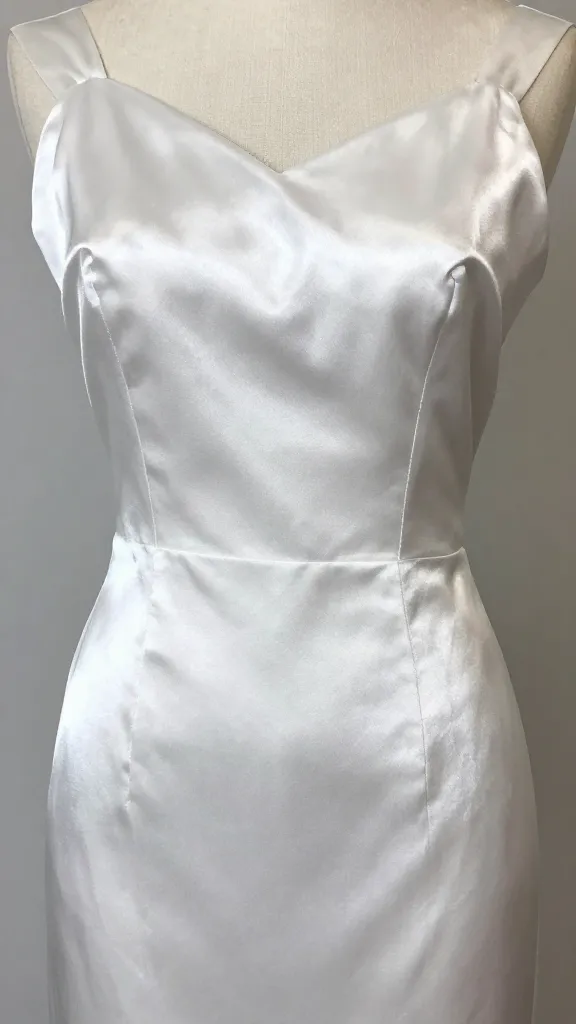
Naturals feel organic and breathe, but they aren’t miracle workers. Synthetics stay stable, resist wrinkles, and can be cheaper. Your choice depends on what you value most for your first project.
– Natural fibers (cotton, linen, wool, silk): breathable, often comfy, but can shrink or wrinkle. Cotton is forgiving; linen loves sunlight and hates being rushed. Wool can be warm but feels bulky to beginners.
– Synthetics (polyester, nylon, blends): durable, easy-care, often inexpensive. They drape nicely and resist shrinking, but can trap heat or feel plastic-y if you push it too far.
– Blends: the happy middle ground. They mix the best of both worlds—drama, ease, and less pucker in seams.
if you’re sewing a wearable in warm weather, cotton or cotton blends are a solid starting point. If you want a project that forgives mistakes and keeps its shape, look at poly blends.
Texture and grip: how fabric behaves when you sew
Texture isn’t just about feel—it affects how easy a fabric is to cut, sew, and press.
– Smooth and slippery: think satin or silk. They need careful cutting and often a walking foot. Go light-handed with pins and use sharp scissors.
– Knit fabrics: jersey, interlock, or rib. Great for beginners because they stretch, but they can curl. Use a walking foot and stretch needles if needed.
– Woven but not too stiff: cotton twill, poplin, or lawn. They’re predictable and sew up nicely with simple seams.
– Crisp and stiff: poplin or organdy. They hold shape, but pressing is a must. Don’t fight the fabric—lean into its structure.
If you’re unsure, grab a scrap and practice a quick seam to feel how it behaves. You’ll learn more in ten minutes than a Pinterest board can teach.
Care and durability: what happens after you finish
Your project will age. A good fabric is the one you won’t dread washing or storing.
– Washability: do you want a garment that can survive one machine cycle and a tumble-dry? Then aim for synthetics or blends.
– Shrinkage: some natural fibers shrink a bit the first wash. Pre-wash or test a swatch.
– Colorfastness: bright dyes can bleed. Look for colorfast or pre-washed options if color is your thing.
– Durability: denim, twill, and some woven resist wear. Delicate silks and lace need TLC.
Ask the store associate or read the bolt: “Is this fabric machine washable? How should I dry it?” The more you know, the fewer surprises later.
How to test fabrics like a confident rookie
Testing helps you dodge craft-room heartbreak. Here are quick, practical checks you can do in minutes.
– Burn test substitute for safety (without flames, obviously): look at care instructions and fiber content. If it’s hard to tell, ask for a swatch with fiber content labeled.
– Snip and sample: cut a small piece, sew a quick seam, and wash it. See how it behaves—shrinkage, curling, and how the seam holds.
– Press test: iron a small piece. Some fabrics love heat, others scorch. You’ll learn the guidelines from the first try.
– Draping test: hold the fabric up to your body to see how it falls. It helps you imagine the final silhouette.
Pro tip: keep a notebook or notes on each fabric’s behavior. You’ll thank yourself later when you compare a couple of options.
Choose a starter project that won’t hate you back
Pick something forgiving that uses fabrics you already understand, or are excited to learn with.
– Simple garments: A-line skirt, wrap top, or tote bag. These use fewer tricky elements and let you practice seams, hems, and finishing details.
– Quick-win accessories: pillow covers, a tote, or a simple scarf. Great for nailing straight seams and finishing techniques.
– Fabric-first approach: buy small swatches of a couple of fabrics. Try sewing a practice block or tiny project in each to see what truly feels right.
Remember, the goal is momentum. If a project feels like a marathon, dial it back to something you’ll finish with a smile.
Finish like a pro without stress
– Use the right needle for the fabric: cottons like sharp needles; knits enjoy ballpoint needles.
– Set your stitch length: longer stitches for woven, slightly shorter for knits to avoid stretching out of shape.
– Finish seams: pinking shears for light fabrics, Serger or zigzag stitch for durability.
– Press smartly: use a clean iron, a proper ironing surface, and press cloths when needed. Burning is not a badge of honor.
Common Fabric Questions
What’s the simplest fabric for a first project?
For most beginners, cotton percale or cotton canvas blends work nicely. They’re sturdy, easy to sew, and forgiving with a basic seam. They also handle a wash or two without drama.
How do I know if a fabric is right for beginners?
Look for fabrics labeled as easy-care or beginner-friendly. Cotton, cotton blends, and light knits usually top the list. Avoid ultra-slippery satins or heavy, stubborn wovens until you’re feeling confident.
Should I prewash fabrics before sewing?
Yes, prewashing helps you account for shrinkage and colorfastness. Some fabrics wrinkle a lot after washing, so you’ll want to know how they behave before committing to a full project.
Do I need fancy equipment to start sewing with fabric?
Not at all. A basic sewing machine, sharp scissors, a seam ripper, pins, and a rotary cutter are plenty to begin. As you grow, you’ll learn what you enjoy and which tools really help.
How do I handle fabrics that fray or gape at seams?
Stay calm. Use a zigzag stitch or a Serger for woven fabrics to seal edges. For knits, a stretch stitch or twin needle helps seams stay flexible. A quick stay-stitch near the neckline can prevent warping.
What if I hate the fabric after finishing the project?
That happens—the fabric might not be your vibe, or the project isn’t a fit for you yet. Don’t beat yourself up. Recycle the fabric into a scrub cloth or tote, and move on to a different fiber or pattern.
Conclusion
Choosing the right fabric for your first project isn’t rocket science. It’s about aligning your goal with the fabric’s behavior, care, and vibe. Start with something forgiving, test a couple of options, and let your needle guide you toward confidence. You’ll learn more from a single honest try than ten wishful Pinterest boards. So pick a fabric you’re excited about, pick a simple project, and sew like you’ve got a best friend cheering you on. You’re going to crush this.
0 Comments