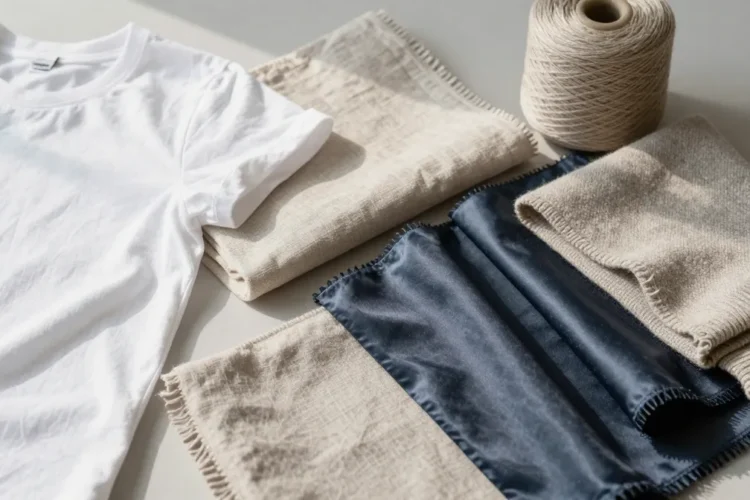
It’s fabric time, you grab a tee or a dress and somehow the fabric makes all the difference. Would you like to learn the basics of fabrics? You’ve got it. Here are 10 fabric types and terms you actually want to know, explained in plain speak.
1. The big players: Natural fibers
Natural fibers come from plants or animals, and they usually feel soft on the skin than synthetics—if you pick right one. Here are the standouts you’ll bump into in catalogs and store shelves.
- Cotton — they are soft, breathable, and versatile. Think T-shirts, jeans, sheets. It can wrinkle, but that just screams “casual chic.”
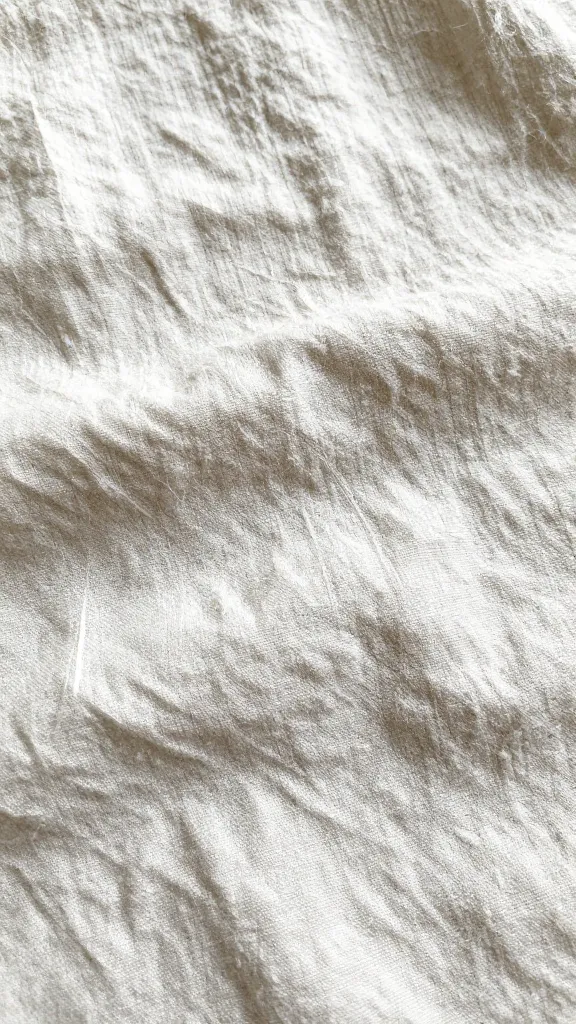
- Linen — is the breathable champ, perfect for hot days. It wrinkles like it’s doing fashion yoga, but it has that effortless “I woke up like this” vibe.
- Wool — It has warm, resilient, and surprisingly light in some weights. Great for sweaters and suits.
2. The slick stuff: Blends that make sense
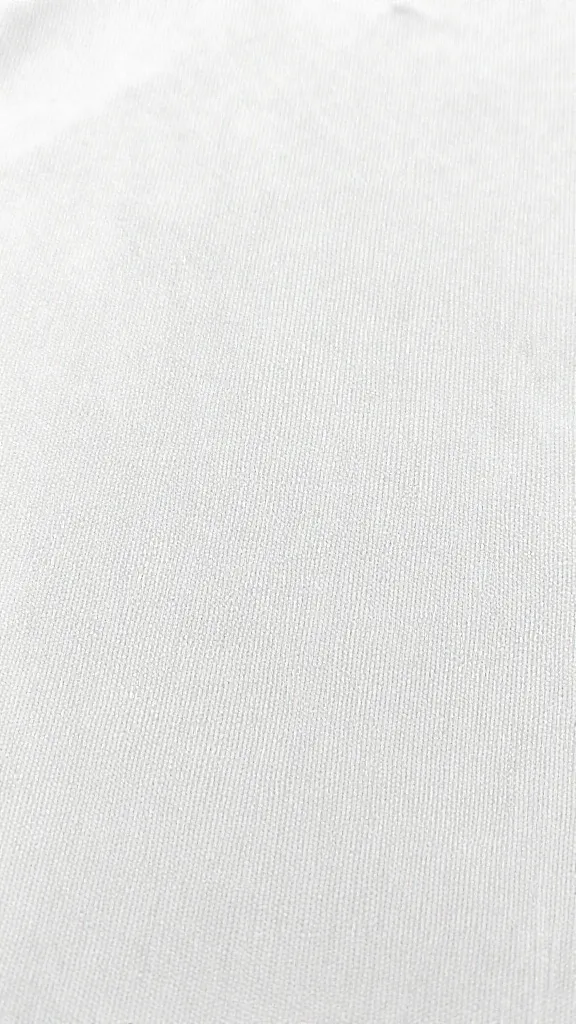
Blends mix fibers to steal the best traits from each. It has durability, shine, stretch, and easy to care. Here are common combos you’ll see.
- Polyester/cotton (poly/cotton) — Easy care, affordable, holds colors well. The “everything that lasts” .
- Cotton/polyester with elastane — Adds stretch for jeans that move with you or activewear that doesn’t cling oddly.
- Wool/polyester — Keeps cost down and dries faster than pure wool. It can be use for suits and cold-weather stuff.
3. The techy side: Performance fabrics
If you’re looking for features like moisture wicking or quick-dry fabrics, you’ve got options. Here are the main terms you’ll see.
- Moisture wicking — Pulls sweat away from skin so you stay dryer. Ideal for workouts and travel days.
- Breathable — It allows air to pass through, preventing that suffocating feeling. Cooling for hot days or long events.
- Quick-dry — Dries fast, because nobody likes waiting around for damp clothes to vanish.
4. Knit versus weave: which one is better?
Two similar fabrics explain a lot about how something looks, and feels.
- Woven fabrics — Is created by interlacing threads at right angles. Think poplin, twill, satin. Generally structured and crisp.
- Knitted fabrics — Loops interlocked. Think jersey, rib knit, or sweater knits. They’re stretchy and comfy, which makes them your go-to for T-shirts and sweaters.
5. Finishes
Finishes are like the seasoning on your fabric dish. They can improve look, feel, and maintenance.
-
- Mercerized cotton — shinier, stronger, and takes dye a little bolder. Fancy upgrade without leaving the closet.
- Blended finishes — blends with resins or chemicals to make fabrics less wrinkly or more durable. Grab a garment, inspect the label, and you’ll spot the magic match.
- Finishes like “wrinkle-free” or “stain resistant”
— Helpful, but don’t expect a good outcome when you don’t handle fabrics properly. Try to wash and care for them at anytime.
6. Weave names
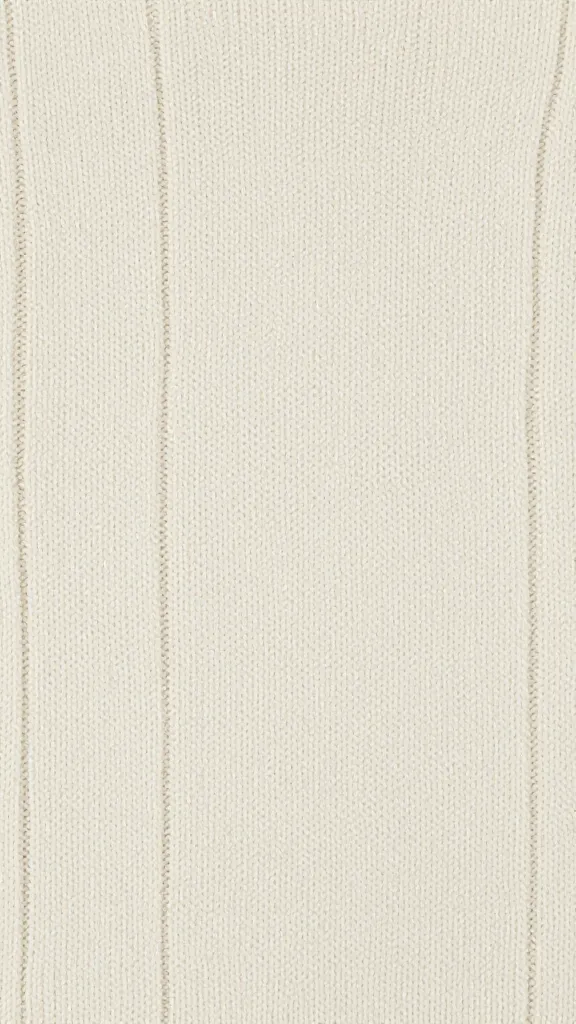
If you know different weave styles, It can helps you guess how a fabric behaves at a glance.
- Plain weave — simple, balanced, and universal. Like a reliable little black dress of weaves.
- Twill — diagonal lines give it durability and a soft drape. Jeans and chinos often wear this like a badge of honor.
- Satin — glossy surface, smooth drape, a bit of drama. Great for evening wear and fancy shirts.
7. Care labels in plain English
Care labels are instructions on fabrics that you need to look for. Below are the basics to know.
- Machine wash / hand wash — tells you what you can do at home without summoning a professional cleaner.
- Do not tumble dry — that one saves you from helping your clothes go full parchment in the dryer.
- Dry clean only — sometimes necessary for delicate fibers or fancy suiting, but pricey and not as eco-friendly as you’d hope.
8. 10 fabrics you’ll see on labels
Here’s a cheat sheet you can skim and keep in your back pocket.
- Cotton
- Polyester
- Spandex / Elastane
- Wool
- Linen
- Rayon / Viscose
- Silk
- Nylon
- Acrylic
- Leather (animal hide, not exactly fabric but common on labels)
9. Subtle terms you’ll hear in fashion chats
A few buzzwords that pop up in conversations and product pages.
- Odor control — is fabrics treated to reduce smells. It can be helpful for gym days and long trips.
- Anti-pilling — can resists those little fuzzy balls that form after washing and keep it smoothly.
- Colorfast — are colors that don’t bleed like a moody teenager in the wash. Mainly a relief for dye-happy fabrics.
10. How to pick the right fabric
You don’t want a fancy fabric that traps sweat during a heatwave. Here’s a quick decision guide.
- Hot and active? Look for moisture-wicking blends with a bit of stretch. A little elastane goes a long way.
- Cold climates? Go for wool blends or heavier cottons. Layering helps a lot.
- Light Texture For Summer? Go for a quick-dry fabrics.
Natural vs Synthetic—how they actually feel
Natural fibers usually breathe better and feel softer against skin, but they can wrinkle and stain more easily. Synthetics often dry faster and are more durable, but they can trap heat and feel clingy if you pick the wrong one. The sweet spot is smart blends that balance comfort with practicality.
Finishing process
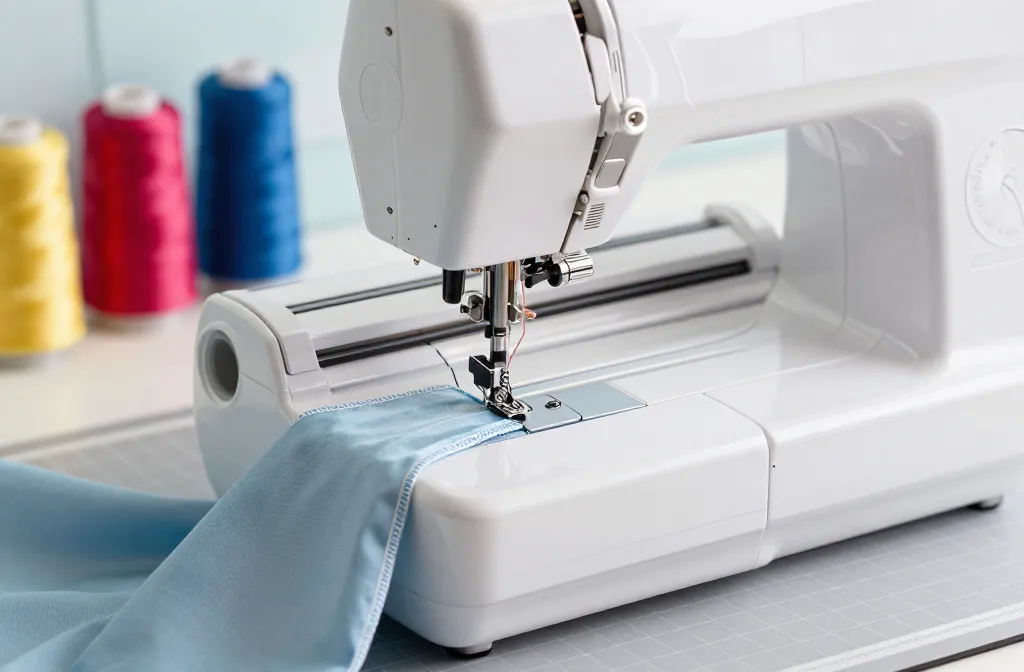
Finishing in sewing involves techniques to prevent raw fabric edges from fraying and to produce professional-looking, durable garments. Common methods include serging, zigzag stitching, pinking shears, or enclosed seams like French and flat-felled seams. Proper finishing also includes pressing seams, trimming, and cleaning up loose threads to ensure a high-quality, neat appearance.
Common Questions
What’s the difference between cotton and linen in wearability?
Cotton is versatile and handles a broad range of temperatures, but it can cling in humidity and wrinkle. Linen breathes incredibly well and feels cool, but it wrinkles easily. For hot climates, linen wins; for everyday casual wear, cotton often wins.
Is wool only for sweaters and coats?
Not at all. Lightweight wool fabrics exist for suits and dresses, and merino blends work beautifully for base layers and performance wear. Wool is versatile if you pick the right weight.
What does “stain resistant” really mean?
It means the fabric has a finish that helps repel some stains and makes cleanup easier. It’s not a guarantee—life will stain . Always check care labels for specifics.
Can I trust care labels on blended fabrics?
Care labels are a good guideline, but blends can behave differently. When in doubt, wash on a gentle cycle with a mild detergent and air dry. If the item is valuable or delicate, consider professional care or doing a spot test first.
How do I keep colors from bleeding?
Wash similar colors together, use cold water for delicate items, and avoid overloading the machine. A color catcher sheet can help, and don’t yank items out of the washer—let them air dry when possible.
Conclusion
Fabrics aren’t just background players; they set the mood, the comfort, and the lifespan of your clothes. With these 10 fabrics terms and information, you’ll read labels like a pro and pick outfits that actually feel as good as they look. So next time you’re shopping, ask yourself: will this breathe, move, or drape the way I want? If the answer is yes, you’re probably eyeing a winner. Happy shopping and may your closet be full of fabrics that behave.
0 Comments