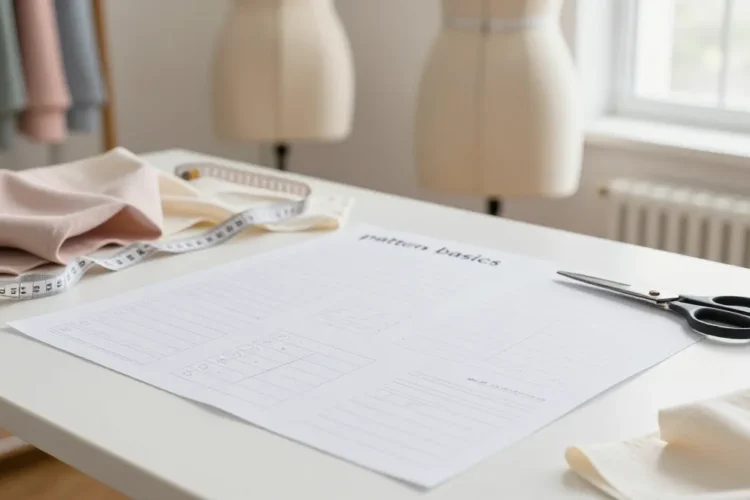
Are you enthusiastic sewist looking for the secret to get the most out of sewing patterns? Treat them like a friend who knows all the shortcuts but won’t brag about it. They’re not the boss of you—you’re in control of your fabric, your notions, and your time. Let’s demystify patterns so you can sew faster, smarter, and with a smile.
Understand the pattern basics without getting overwhelmed
Patterns can look a little bit confusing as a beginner trying to figure things out, but you don’t have to. Start with the essentials: size, cup, and fabric length. Don’t stress about every extra line or symbol. Instead, ask yourself: what problem is this pattern trying to solve for me?
– Read the envelope notes first. They tell you the fabric type, notions, and fit notes.
– Check the size chart against your measurements. If you’re between sizes, pick the larger and do a quick muslin or tissue fitting.
– Look for the view you actually want to sew. No need to chase every fancy option if you’ll end up never wearing it.
What to do when the pattern feels hard to read
– Locate the grainline and notches. They’re your best friends for alignment.
– Mark essential lines on your pattern tissue with a pencil.
– Ignore the parts you’ll never use for your project. You can always save them for later.
Make a smart muslin or test version that saves you time
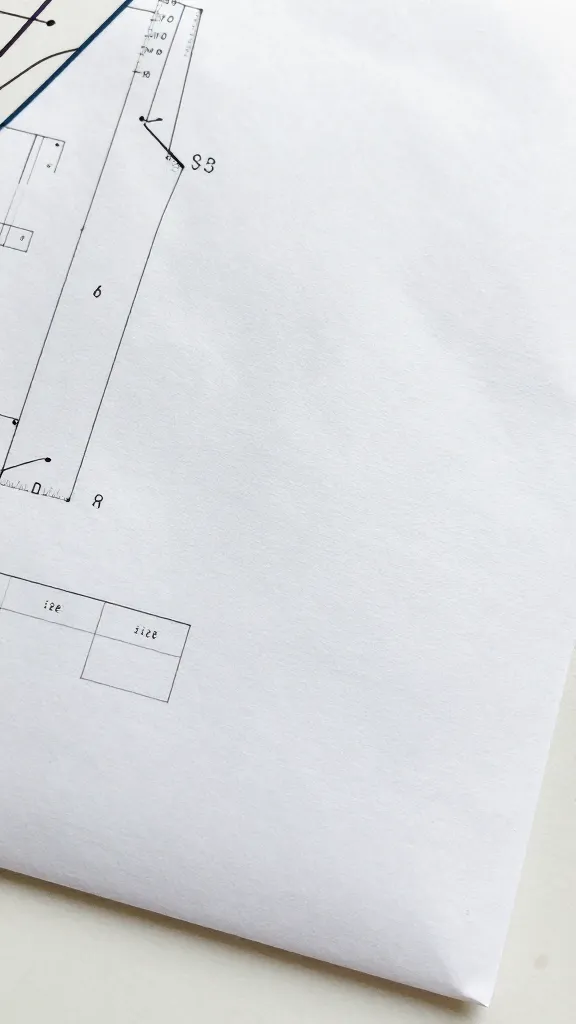
You don’t have to sew a full throwaway garment to test a pattern. A quick muslin or a scrap version can save you hours of frustration.
– Use inexpensive fabric or even old sheets. If it look great, you can wear it.
– Focus on fit areas first: shoulder seams, bust, waist, hip.
– Pin or baste so you can adjust easily. Don’t rely on a perfect seam allowance in your first go.
How to mark and adjust
– Use a fabric chalk or erasable marker for fitting lines.
– If the neckline gapes, take in the front darts or add a small adjustment at the bust apex.
– Note adjustments on a separate sheet of paper or a photocopy of the pattern for the future.
Master the art of choosing the right fabric and notions
The best pattern is worthless if you pair it with the wrong fabric. The opposite is also true: beautiful fabric can align with perfect pattern.
– Check the recommended fabric type and weight. If you’re solid in the “close enough” zone, you’ll regret it later.
– Don’t overlook elastics, zippers, and notions. Grab the basics first and improvise the rest.
– Consider drape, stretch, and finish. A pattern with woven fabric won’t behave the same in knits.
Notions that save you from stress
– Clips vs pins: clips won’t leave punctures on delicate fabrics.
– Interfacing: light interfacing where the pattern fit for it, or a bit heavier if you need structure.
– Seam finish: serge, zigzag, or bias tape—choose what you’ll actually enjoy finishing.
Alter patterns like a pro for a perfect fit
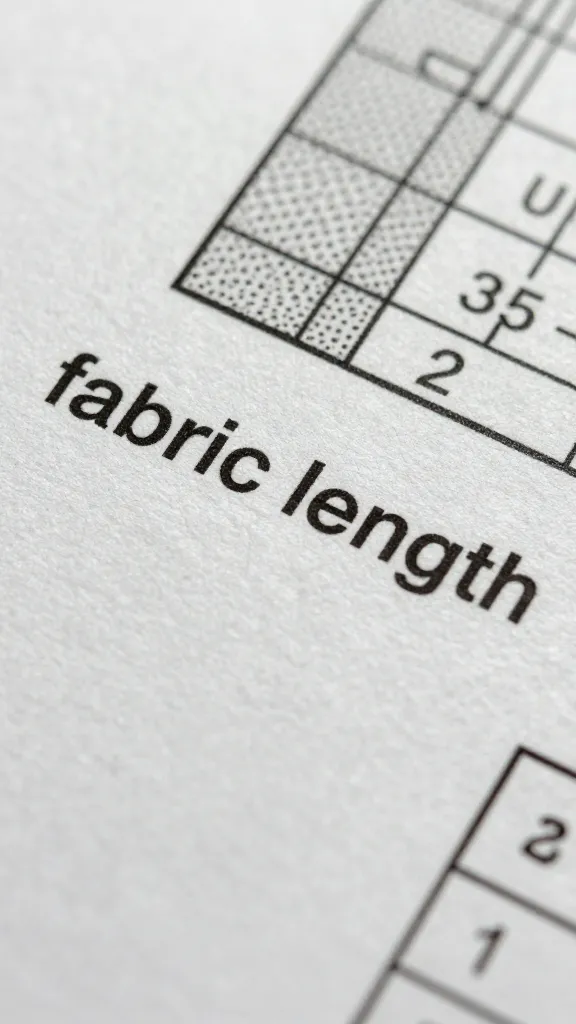
Nobody fits perfectly out of a envelope pattern. That’s why a few smart tweaks go a long way.
– Shorten or lengthen at the indicated lines. It’s not cheating; it’s tailoring.
– Divide and conquer: adjust at the bust, waist, and hip rather than making a giant guess.
– Compare to a favorite garment. If your jeans fit in the waist but sag in the seat, you know where to start.
Common adjustments to use
– Grading between sizes for different body parts.
– Raising or lowering the waistline to hit at the most flattering point.
– Taking in at the side seams for a more tailored look.
Cut patterns to fit your style
Patterns represent a starting point, not a law of nature. Make it yours, and you’ll actually wear it.
– Merge views, or omit features you won’t wear. A simpler version can be a lot more wearable.
– Add personal touches: piping, topstitching, or pockets where you can reach for them.
– Label your versions. If you tweak a pattern, keep a saved note so you can reproduce it later.
Tips for working with multi-size patterns
– Create a “size grading” plan before cutting. Trace the size you’ll use and keep the rest intact for future tweaks.
– Use tracing paper to preserve the original pattern while testing multiple sizes.
– Don’t worry about matching every line perfectly if you know your target size and you’ve done a proper muslin.
Put everything together with a thoughtful sewing plan
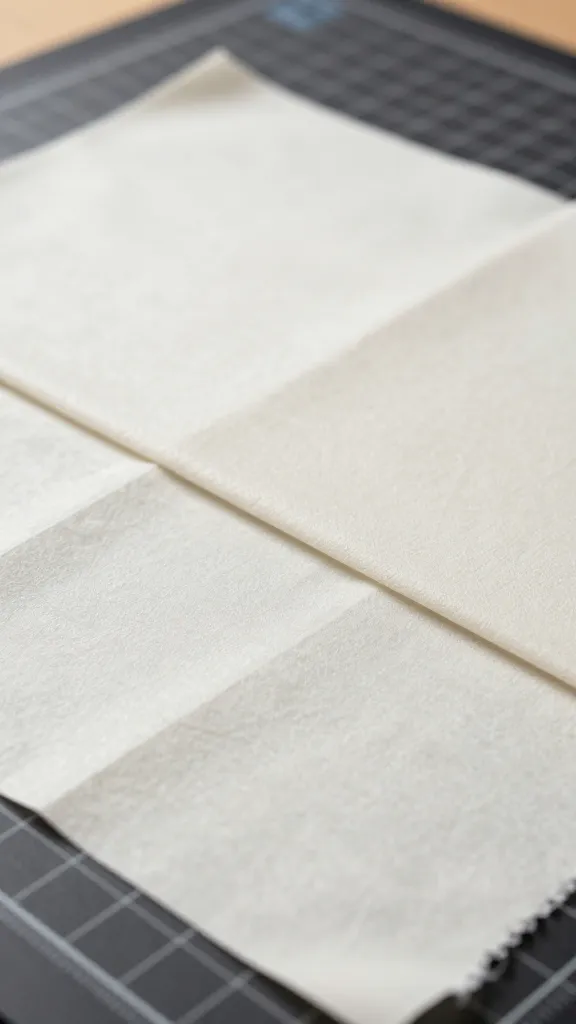
Proper planning beats stress every time. The moment you know your steps, you’ll sew smoother and faster.
– Break the project into sections: cut, stay-stitch, construct, finish.
– Read ahead: know where you’ll need extra notions or clips, and when you’ll press.
– Schedule your steps by your energy level. Do fiddly bits when you’re fresh; finish seams when you’re winding down.
A simple sewing plan template
– Day 1: Cut fabric, interface pieces, clip notches
– Day 2: Sew darts and seams, press as you go.
– Day 3: Finish hems and add closures.
– Day 4: Final fitting and minor tweaks.
Common Questions
Do I really need to make a muslin every time?
Not every time, but it pays off for complex garments or if you’re trying a new pattern brand. A quick muslin can save you hours of seam-ripping and frustration.
What if the fabric isn’t as described ?
Trust your feel. If it look like a medium-weight woven but the envelope says light, you’ll need to adjust seam allowances, stay-stitching, or even the pattern size, fabric samples are your friend here.
How can I avoid busting my budget on patterns?
– Reuse patterns you already own by tracing only the size you need
– Look for sales or digital versions, which are cheaper and easy to print.
– Borrow patterns from friends or sewing groups to test before buying.
Is it okay to customize a pattern to my style if it’s not “meant to be”?
Absolutely. Patterns are starting points, not a guess. If you love it with different sleeves, lengths, or pockets, go for it. Your wardrobe should reflect you, not a fashion board’s opinion.
What’s the one tool I cannot live without?
A good, sharp pair of fabric scissors and a reliable seam ripper. Everything else you can improvise, but neat edges and tidy seams start with sharp gear.
Conclusion
If you want to get the most out of sewing patterns, treat them as a toolkit rather than a rulebook. Start with a realistic muslin, pick the right fabric, and tailor the fit with intention. Break the project into small steps, and don’t fear trimming or tweaking until it feels right. Patterns aren’t a cage—they’re a trampoline for your creativity. So go ahead, cut that fabric, and make something you’d actually wear, you’ll enjoy the process a lot more when you’re not fighting the pattern every stitch of the way, confidence is contagious—your next project will feel like a breeze.

0 Comments