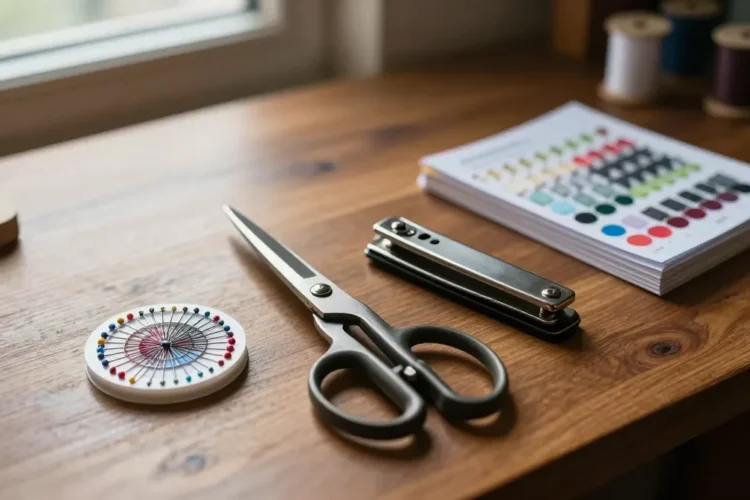
If you’re stitching your world together one seam at a time, you know the drill: the right tools make all the difference. You don’t need a treasure trove, just a handful that actually matter. Let’s talk about 10 sewing tools you can’t live without—and yes, you’ll wonder how you ever managed without them.
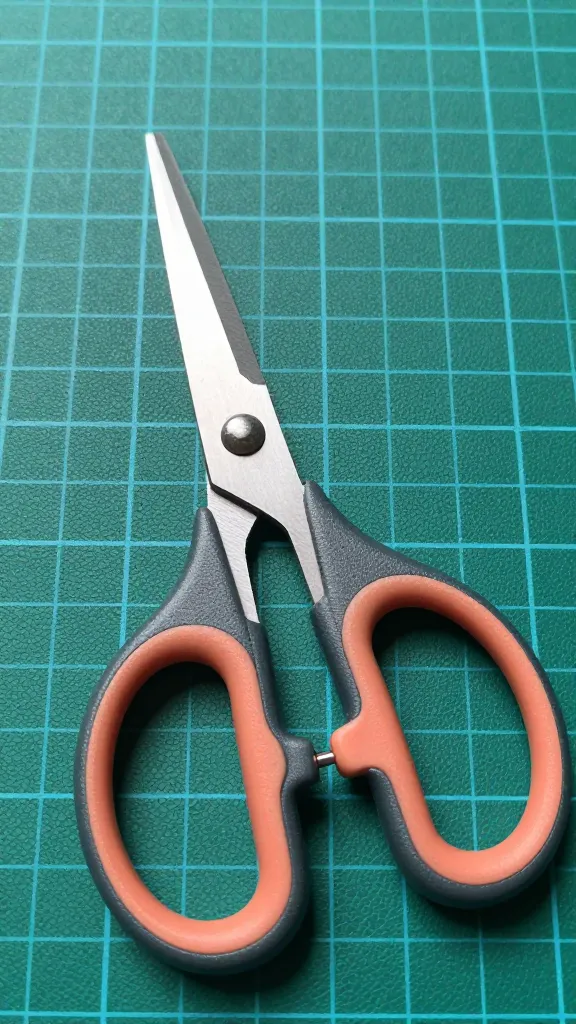
1. A Solid pair of fabric scissors that aren’t afraid of a fight
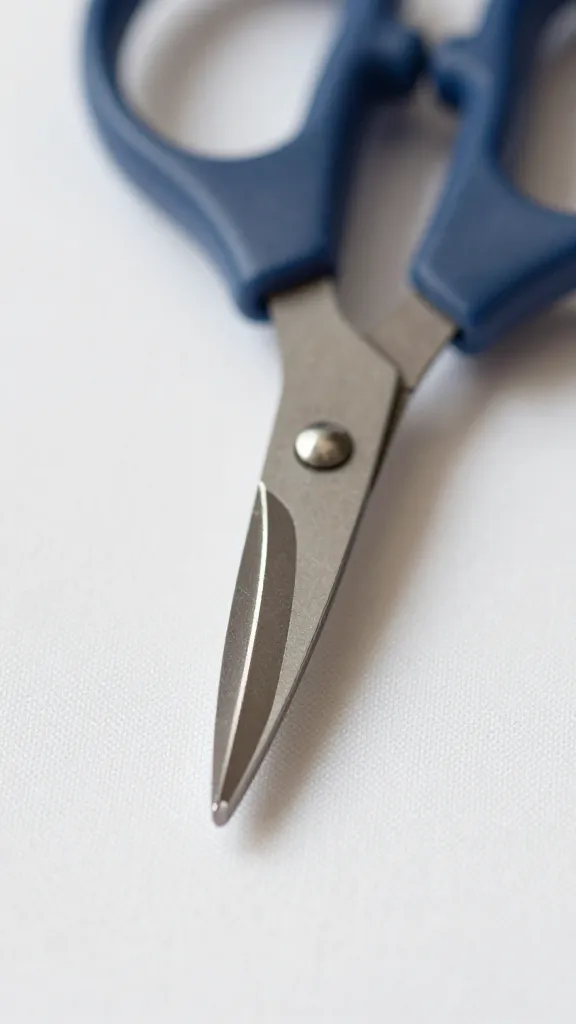
Cutting is where precise sewing begins, and sloppy cuts lead to sloppy results. A sharp, trusted pair of fabric scissors feels like an extension of your own hands, don’t use them for paper, and definitely not for thread snips (trust me on the dull blades).
– Look for: 8-10 inch blades, sharp points, a comfy grip.
– What they do: clean, straight cuts that don’t stretch or fray the fabric.
2. A trusty seam ripper, your fabric’s kryptonite
If you sew, you’ll unsew. A good seam ripper saves you from crying into your fabric at 2 a.m. It’s not glamorous, but it’s essential. Pro tip: keep a spare—they’re small enough to disappear in a sewing kit and then reappear when you need them most.
3 simple tricks to use a seam ripper like a pro
– Always work away from the fabric’s weave to avoid lifting threads.
– Use a gentle, patient hand; speed creates tears, not tears of joy.
– Keep a small pin cushion handy so you don’t lose the little bugger.
3. Pins and a magnetic pin dish (or a pincushion junkie’s dream)
Pins hold fabric in place like tiny, sparkly anchors. You’ll save yourself countless headaches if you pin strategically and never skip this step. A magnetic pin dish is optional but magical when you’re dealing with a pile of pins.
– Choose: sharp steel pins for woven fabrics, ballpoint pins for knits.
– Don’t skimp on: a pin cushion or magnetic tray—your fingers will thank you.
4. A dependable seam gauge and a measuring tape
Accurate measurements beat vibes and intuition every time. A seam gauge helps with quick hems, narrow seams, and tidy edges. A retractable measuring tape keeps everything honest.
– Use: metric and imperial marks for flexibility.
– Why it matters: tiny miscalculations compound fast in sewing math.
5. A good hand sewing needle set
Even in the era of machines, hand stitching has its place—hemming, finishing, or basting. A small selection of hand sewing needles covers most bases.
– Include: a sharps pack for general use, a between for fine work, and a crewel needle for embroidery.
– Bonus: threader tools make life easier when your eyes start pretending they’re 80.
6. A reliable sewing machine, or at least the right kind of machine love
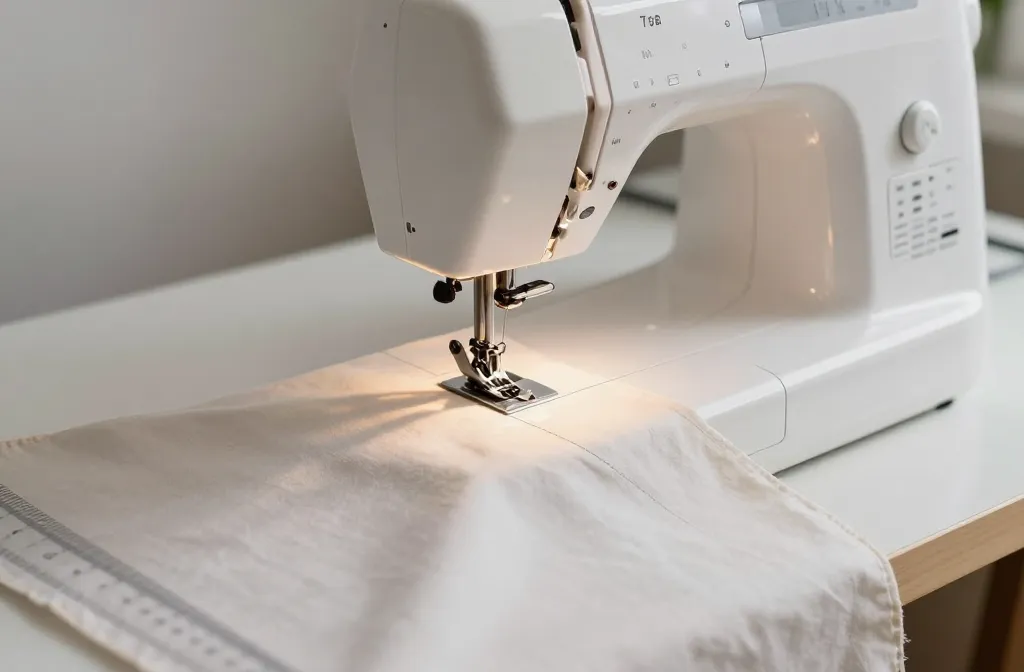
If you sew more than once a year, a sewing machine becomes your best friend. It speeds things up and adds consistency you can’t fake with a manual method. If you don’t have one yet, consider a basic model with straight stitch, zigzag, and a decent reverse.
– Pick features you’ll actually use: adjustable foot pressure, a sturdy bobbin system, and good presser foot clearance.
– Pro tip: keep a dedicated spool pin and thread tension guide nearby so you don’t wake up at 3 a.m. cursing at tension issues.
7. A thread collection that won’t crash the party
Thread is the unsung hero. Matching thread to fabric is the quiet magic behind durable hems and invisible seams. Have a few essentials on hand:
– All-purpose polyester thread in black, white, and a neutral shade.
– A dedicated matching cotton or poly-cotton thread for projects that demand a softer hand.
– A spool of invisible thread for delicate or hem-band work (if you’re into that stealth tailor vibe).
8. A fabric pen or tailor’s chalk for crisp lines
Marking is not cheating; it’s planning. A fabric pen disappears with washing or heat (depending on the ink), while chalk wipes away with a brush. Pick what suits your fabric and your patience level.
– Use: tailor’s chalk for dark fabrics, water-soluble pens for lighter fabrics, heat erasable marks for delicate work.
– Quick tip: keep a small brush or lint-free cloth to smooth out lines before you cut.
9. An iron and ironing board
Pressing is not optional—it’s mandatory if you want crisp seams, neat hems, and fabric that behaves. A solid iron with adjustable heat, steam, and a decent soleplate makes all the difference.
– Don’t: iron over fragile finishes that can melt or scorch.
– Do: press with steam, not drag the iron across the fabric.
10. A seam roll, ham, How to press tools for tricky shapes
Some projects demand more than a simple press. A seam roll or ham helps you press curves and darts without leaving a crease party in the middle of your fabric. These things are small, but they’re shockingly powerful.
– Use: seam rolls for long seams, pressing ham for curves and bust darts.
– Bonus: a small, heat-safe silicone mat can be a life saver for stubborn edges.
Optimize your toolkit
Choose between a basic and a “prosumer” machine
If you’re just starting out, a sturdy basic machine does the job and doesn’t punish your wallet. If you’re upgrading because you actually sew every week, look for features like automatic needle threader, drop-in bobbin, and a wider throat plate, don’t over-spec; buy for comfort and consistency.
Maintenance matters more than you think
Clean lint, oil moving parts (where your manual says so), and keep blades sharp. Dull blades ruin projects faster than a spilt coffee on a shirt. Set a monthly tiny maintenance routine and you’ll thank yourself later.
Organization hacks for a happier sewing space
– Use labeled bins for pins, needles, and notions.
– Keep a scrap fabric pile for testing stitches and tension.
– Clip a small check-list to your machine for quick project prep.
Common Questions
Do I really need a dedicated sewing machine, or can I start with a hand-sewing project?
If you want to sew seriously or quickly, a machine saves time and gives consistent results. For simple repairs or tiny projects, hand sewing works fine. Think of it as the difference between driving a bicycle and a car—both get you there, but one arrests fewer back-and-forth trips to the seam shop.
What’s the minimum set of tools I should own to get started?
You’ll want a sharp pair of fabric scissors, a seam ripper, pins and a pin cushion, a measuring tape, a set of hand sewing needles, a basic thread kit, marking tools (chalk or pens), and a modest iron. Add a simple machine later if you’re hooked.
How do I know which thread to buy for my fabric?
Match the fiber content and weight. Woven often seal the deal with polyester or cotton thread that matches strength with the fabric. Knit fabrics typically benefit from polyester stretch thread or a cotton-wrapped polyester thread. When in doubt, test a small seam on a scrap and see how it behaves under pressing.
Any tips for buying tools on a budget without compromising quality?
Shop second-hand for higher-end tools in good condition, read reviews, and check for warranty when possible. A good pair of scissors is worth splurging on, but you don’t need every tool at once. Build gradually and prioritize what you actually use.
What should I keep in my “emergency sewing kit”?
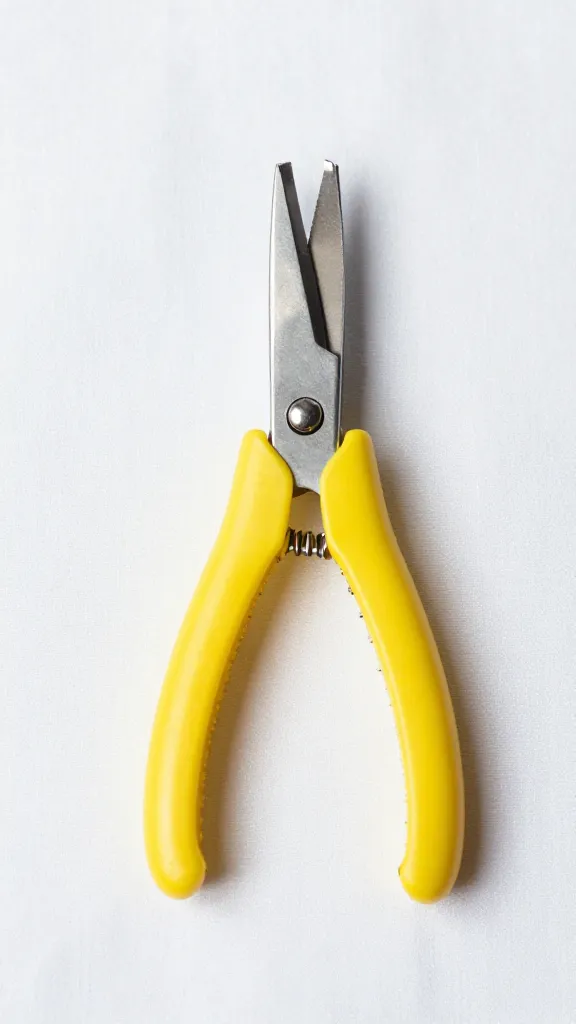
Keep a mini set: a small pair of scissors, a seam ripper, a spool of thread matching your most-used fabrics, a needle pack, a few pins, and a tiny bottle of fabric-safe seam adhesive or fray check, you’ll thank yourself when a button flies off during a video call or a sleeve hole appears out of nowhere.
Conclusion
You’re not just buying gear, you’re investing in confidence with these tools. The right implements shorten the path from idea to finished project and cut down on the “I’ll fix it later” guilt. So go ahead, pick up a pair of sharp scissors and a decent iron, and treat yourself to the satisfaction of a clean seam and a project you’re proud of, you deserve it. Happy sewing!
0 Comments